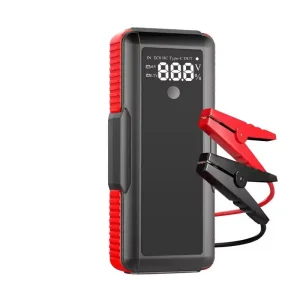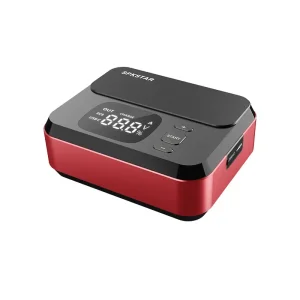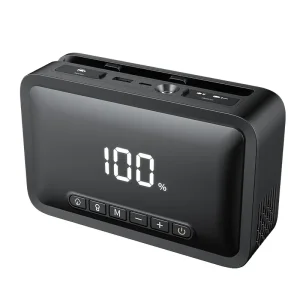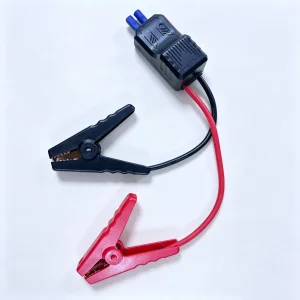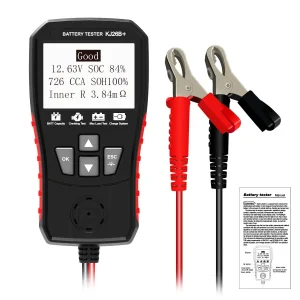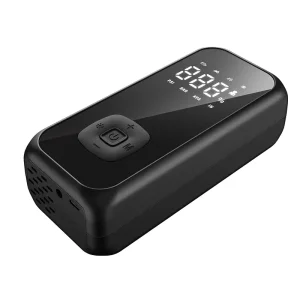
Featured Sourcing Lineup
High-Velocity Inflation & Power Systems for Greater Sydney Fleets
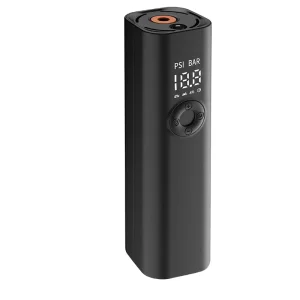
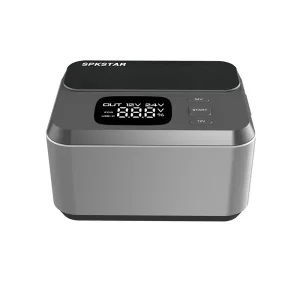
Direct OEM/ODM allocations for regional distributors across Botany, Blacktown, and Parramatta trade supply corridors.
Strategic Regional Intelligence
Sydney & New South Wales Automotive Landscape: The Demand for Industrial-Grade Tire Inflation
A granular examination of geographical, logistical, and environmental factors dictating portable pneumatic hardware requirements across the Sydney basin.
The Greater Sydney metropolitan region, stretching from the dense urban distribution centers around Port Botany and Alexandria out through the expansive commercial freight corridors of Western Sydney (Wetherill Park, Eastern Creek, and Marsden Park), presents one of the most mechanically demanding environments in the Southern Hemisphere for automotive portable pneumatic tools. As Australia’s economic engine, New South Wales accounts for the country's highest concentration of light commercial vehicles (LCVs), trade utes (utility vehicles), heavy intermodal freight haulage, and an exponentially expanding last-mile courier delivery grid.
Operating in Sydney imposes unique mechanical challenges that generic, consumer-grade tire inflator pumps cannot survive. First, the localized climate in Western Sydney regularly encounters extreme ambient temperature differentials, swinging from freezing single digits during winter mornings in the Nepean Valley to prolonged summer heatwaves surpassing 45°C (113°F). Under these thermal conditions, portable tire inflators featuring low-grade plastic cylinder heads and standard lithium-ion chemistries experience rapid thermal cut-offs, melted valve seals, or terminal cell degradation. Automotive distributors serving trade professionals, mining exploration outfits, and off-road overlanding networks demand hardware engineered with all-metal gearboxes, die-cast aluminum alloy cylinders, and advanced thermal management architectures.
Tradie & Fleet Reliability
Sydney's 180,000+ trade contractors rely on continuous tire pressure optimization to prevent rim damage and maximize payload fuel economy over arterial routes like the M4, M7, and M5 Motorways.
4WD & Weekend Overlanding
Gateway to the Blue Mountains and Stockton Beach sand dunes, Sydney drivers require rapid deflating/re-inflating cycles spanning 15 PSI to 45 PSI across high-volume all-terrain tire footprints.
Cold Chain & Intermodal Log
Depots supporting Port Botany container movements require heavy-duty pre-trip verification tools ensuring steer and trailer axles sustain zero cold-inflation pressure deficits.
Furthermore, the recreational 4WD culture native to New South Wales represents a massive aftermarket sector. Weekend access to rugged trail systems such as the Lithgow Zig Zag, Wollemi National Park, and Stockton Dunes necessitates specialized air inflators capable of delivering high airflow (liters per minute, LPM) at sustained continuous duty cycles. Generic retail units take up to 15 minutes to inflate a single 33-inch mud-terrain tire, invariably triggering thermal self-preservation relays; high-efficiency ODM compressors engineered by SPKSTAR feature dual-piston configurations and direct-drive permanent magnet motors that cut cycle times by 60%, delivering actionable reliability to Sydney distributors.
Engineering Deep-Dive
Precision Specifications: Standard Consumer Pumps vs. SPKSTAR ODM Sydney Heavy-Duty Platforms
Benchmark comparison illustrating engineering enhancements that guarantee commercial survivability, electrical noise compliance, and thermal endurance.
| Performance / Architecture Vector | Generic Consumer Inflators | SPKSTAR Industrial ODM Tier-1 Platform | Sydney Commercial Impact |
|---|---|---|---|
| Cylinder & Piston Metallurgy | PTFE-coated plastic or drawn thin-wall steel | Hard-anodized die-cast aluminum alloy barrel with fluoropolymer piston rings | Zero thermal galling during prolonged 40°C Western Sydney ambient runs. |
| Continuous Operating Duty Cycle | 8–10 minutes @ 35 PSI before thermal shutdown | 25–35 minutes continuous @ 100 PSI (Internal thermal dissipation fins) | Full 4-wheel re-inflation of heavy commercial utes without downtime. |
| Pressure Sensing & Auto-Shutoff | Analog mechanical gauge or low-spec ±2.0 PSI digital sensor | High-precision piezoresistive digital transducer (±0.5 PSI accuracy) | Meets strict Australian fleet pre-trip safety inspection audit protocols. |
| Battery Chemistry & Management | Standard 18650 cobalt-rich ternary cells (Vulnerable to high heat) | High-rate discharge ternary/LFP cells with multi-stage dynamic smart BMS | Safe prolonged trunk/tool box storage under extreme Sydney summer cabin heat (>60°C). |
| Electromagnetic Compatibility (EMC) | Unshielded brushed DC motor causing severe RF hash | Ferrite bead RF filtration + software wave shaping (CISPR 25 Class 3 compliant) | Zero interference with modern vehicle ADAS, GPS telemetry, or UHF CB radios. |
| Regulatory & Safety Approvals | Generic self-declared CE badge only | Fully audited RCM mark, AS/NZS CISPR 32, RoHS, and UL94-V0 flame-rated plastics | Direct legal import eligibility for Australian retail & corporate supply chains. |
Procurement Engineering
Overcoming Global Sourcing Bottlenecks: A Turnkey Roadmap for Sydney Importers
Addressing supply chain vulnerabilities, ocean shipping dangerous goods (DG) compliance, and custom turnkey hardware development.
For Australian purchasing directors, automotive parts wholesalers, and category managers at major retail groups (e.g., Repco, Supercheap Auto, Bapcor network affiliates), sourcing pneumatic and battery-powered electronics from overseas factories introduces three perpetual systemic pain points: regulatory non-compliance risks, catastrophic warranty return rates driven by thermal failure, and shipping logistical bottlenecks associated with lithium batteries.
1. Navigating Hazardous Materials (Class 9 Dangerous Goods) Logistics into Sydney Ports
Traditional lithium-ion cordless tire pumps fall under UN3481 / UN3480 Dangerous Goods classifications. Shipping containerloads through Sydney Ports (Port Botany) requires rigorous compliance with Maritime safety rules, IMDG codes, and battery test summary records (UN 38.3). A failure in factory documentation can leave entire shipments detained at the DP World or Patrick terminal, accruing thousands of dollars in daily demurrage fees. SPKSTAR neutralizes this risk through two distinct paths: first, end-to-end DG certification with accredited safety dossiers; second, pioneering battery-free supercapacitor architectures and dual-power 12V DC direct-drive platforms that circumvent lithium transport restrictions altogether, simplifying customs clearances and warehouse insurance premiums across New South Wales.
2. Turnkey Private-Label Engineering from Industrial Design to Certified Tooling
Australian brand owners seeking differentiated market presence can bypass generic off-the-shelf catalog products. SPKSTAR’s Shenzhen-based R&D headquarters provides end-to-end ODM engineering that integrates directly with Australian buyer specifications:
- Tooling & Enclosure Ergonomics: Ruggedized impact-resistant shells molded with flame-retardant Bayer PC/ABS alloys, built to endure drops from commercial utility beds onto Sydney worksite concrete.
- Firmware Customization: Native metric firmware calibrated in BAR, KPA, and PSI with intuitive pre-programmed UI modes specifically mapped to passenger sedans, heavy 4WD beadlocks, and commercial light trucks.
- Acoustic & Vibration Dampening: Counterbalanced crankshaft configurations and dual silicone vibration mounts that lower perceived operating noise below 75 dBA, a critical factor for early-morning suburban trade operations subject to NSW EPA noise regulations.
3. Australian Compliance & Legal Liability Protection: The RCM Shield
Under the Australian Communications and Media Authority (ACMA) regulatory framework, distributing non-compliant electrical or radio-frequency equipment can trigger severe civil penalties and immediate market product recalls by the Australian Competition and Consumer Commission (ACCC). SPKSTAR platforms undergo exhaustive electromagnetic testing to comply with AS/NZS CISPR 32:2015, ensuring our brushed and brushless air pumps produce zero harmonic distortion that could compromise electronic stability control (ESC) sensors or modern digital CAN-bus communication lines in modern European, Japanese, and American vehicles common in the Sydney market.
Future-Proofing Hardware
Technological Roadmap (2025–2030): Next-Generation Pneumatic & Energy Paradigms
How SPKSTAR R&D is engineering the future of micro-compressor efficiency, hybrid energy cells, and connected fleet telematics.
Gallium Nitride (GaN) Motor Inverters
Migrating from silicon MOSFET switches to GaN controllers allows micro-compressors to operate at 25% higher motor RPMs while cutting thermal losses by 40%, drastically shrinking handheld pump dimensions.
Supercapacitor Hybrid Storage
Combining electrostatic ultracapacitors with solid-state cells enables instant cold-cranking burst energy (1000A–3000A) coupled with sustained inflation drive that performs faultlessly between -40°C and +70°C.
IoT Bluetooth Low Energy (BLE) Telemetry
Next-gen inflators transmit real-time tread temperature, cold inflation pressure differentials, and pump maintenance telemetry directly to fleet managers via automated smart-depot gateways.
Frequently Answered Inquiries
Commercial, Engineering & Logistics FAQ for Australian Buyers
Everything you need to know about lead times, custom branding, Australian safety verification, and minimum order parameters.
What minimum order quantities (MOQ) apply for full ODM/OEM brand customization into Sydney?
For standard OEM private labeling (custom brand logos, localized user instruction manuals in Australian English, and bespoke retail color boxes), our typical MOQ is 1,000 units. For complete ODM industrial design programs involving custom tooling, specialized injection molding colorways, and proprietary PCBA firmware configurations, initial pilot batch runs start at 2,000 to 3,000 units with amortized mold tooling options.
How does SPKSTAR ensure compliance with Australian RCM and electrical safety standards?
Every product shipped to the Australian market undergoes certified laboratory testing according to ACMA and ERAC guidelines. This includes AS/NZS CISPR 32 EMC compliance, AS/NZS 62368.1 electrical safety testing for charging modules, and battery safety verification under UN 38.3. We provide our Sydney partners with complete test report dossiers and Supplier Declarations of Conformity (SDoC) to facilitate immediate RCM national database registration.
Why is supercapacitor technology superior to traditional lithium jump starter combos in Australian heat?
Lithium battery cells experience exponential chemical degradation and potential thermal runaway risks when stored inside vehicle trunks during intense Sydney summers where vehicle interior temperatures frequently exceed 65°C. Supercapacitors store electrical charge electrostatically rather than chemically, producing zero chemical instability, tolerating temperatures up to 70°C without risk, and delivering an operational lifespan exceeding 100,000 cycles with zero regular maintenance.
What is the standard production and shipping lead time to Port Botany, Sydney?
Mass production lead times typically range from 25 to 35 calendar days following golden sample sign-off. Direct sea freight from Shenzhen (Yantian/Shekou ports) to Sydney (Port Botany) takes approximately 12 to 16 days transit time. We also offer air-freight samples and express DDP courier services for urgent distributor sample evaluations and marketing photography.
Comprehensive Sourcing Catalog
Complete Supercapacitor, Diagnostic & Pneumatic Equipment Line
Original equipment catalog available for immediate B2B volume distribution and OEM private-label integration.