
Primary Diagnostic & Power Units for Kuwaiti Vendors
Direct manufacturer supply for garages in Shuwaikh, logistics depots in Sulaibiya, and auto electrical distributors across Kuwait Governorate.
-
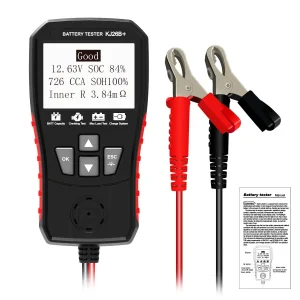 Kuwait Heavy-Duty SPKSTAR Digital Automotive Diagnostic Tool 12V 24V Car Battery Tester
-
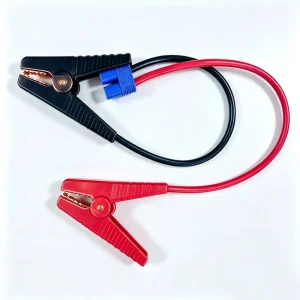 SPKSTAR Industrial 12V/24V Booster Cable EC8 Heavy Alligator Clamps For Kuwait Vendors
-
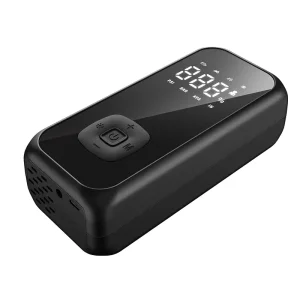 Budget-Friendly SPKSTAR 6000mAh Wireless Air Pump Inflator Portable Compressor Kuwait
-
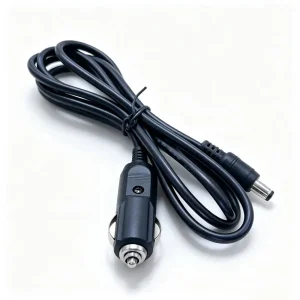 High-Quality SPKSTAR 12V 5A Cigarette Lighter Power Adapter for Diagnostic Hardware Kuwait
Kuwait’s Harsh Operating Matrix: The Chemistry of Accelerated Battery Degradation
Why conventional resistance testers yield false positives under the 55°C hyper-arid desert climate of the State of Kuwait.
In the automotive electrical supply ecosystem of Kuwait, battery failure represents the single most frequent roadside assistance trigger and fleet downtime cause. Operating vehicles in Kuwait City, Al Ahmadi, Jahra, and Farwaniya exposes automotive starting batteries to an environmental profile rarely matched elsewhere on earth. With summertime ambient temperatures frequently exceeding 50°C (122°F) and under-hood engine bay temperatures surging beyond 80°C (176°F), electrochemical processes inside standard SLI (Starting, Lighting, Ignition), AGM (Absorbent Glass Mat), and EFB (Enhanced Flooded Battery) units accelerate exponentially according to Arrhenius' equation.
Under these extreme conditions, positive grid corrosion, electrolyte vaporization, and active plate paste degradation occur at three to four times the standard temperate rate. A lead-acid battery rated for a 36-to-48-month operational life in Europe or East Asia routinely collapses within 12 to 14 months across the Arabian Gulf. For automotive repair workshops in the Shuwaikh Industrial Area, municipal fleet depots, and heavy oilfield transport operators serving Kuwait Oil Company (KOC) and Kuwait National Petroleum Company (KNPC) infrastructure, having a reliable, cheap car battery tester is not a cosmetic luxury—it is an economic operational imperative.
Redefining "Cheap" in the Kuwait Commercial Paradigm
For Kuwaiti importers, B2B wholesale traders, and local workshop supply chains, the term "cheap" has historically been associated with hazardous compromise—low-tier analog carbon pile load testers that spark dangerously around off-gassing batteries, or substandard digital meters whose unshielded microcontroller units (MCUs) freeze under high thermal ambient conditions. SPKSTAR fundamentally redefines "Cheap Car Battery Tester Suppliers & Vendors in Kuwait" through an engineering-driven paradigm: Extreme Cost Efficiency Derived from Modern High-Integration Conductance Architecture.
By leveraging surface-mount micro-circuitry, advanced Analog-to-Digital Converters (ADCs), and precision Kelvin 4-wire measurement technology, SPKSTAR manufactures digital diagnostic instruments that eliminate heavy, costly heating resistors. This dramatically reduces bill-of-materials (BOM) cost, drops shipping weights by up to 75% for sea and air freight into Shuwaikh Port or Kuwait International Airport Cargo Village, and delivers commercial-grade reliability at wholesale price tiers previously reserved for primitive throwaway testers.
Electrical Conductance vs. Obsolete Carbon Pile Testing in Arid Climates
A rigorous engineering comparison between passive conductance analysis and resistive load discharging in high-ambient environments.
Traditional battery testing relied on pulling a heavy current load (typically 50% of the battery's Cold Cranking Amperage rating for 10–15 seconds) through a high-resistance carbon ribbon. In Kuwait's climate, where ambient workshop temperatures routinely exceed 45°C, using a carbon-pile load tester introduces significant diagnostic hazards and electrochemical inaccuracies:
Electrochemical Thermal Shock
Subjecting an already heat-stressed battery containing hot sulfuric acid to a 300A resistive discharge can buckle thinned lead plates, trigger internal short circuits, and permanently damage active material.
False State-of-Health Readings
Hot batteries exhibit artificially lowered internal resistance during heavy continuous discharge, masking severe plate sulfation and returning inaccurate "Good Battery" passes that fail the next morning.
Thermal Ignition Risk
Hydrogen and oxygen off-gassing dramatically increases in hot climates. High-heat carbon pile resistors glow red-hot, creating an immediate fire hazard in enclosed Kuwaiti workshop bays.
The Kelvin 4-Wire Conductance Principle
SPKSTAR digital automotive diagnostic battery testers utilize AC conductance testing methodologies coupled with Kelvin 4-wire double-clamp probes. By injecting a known, low-frequency, high-stability AC test signal across the battery terminals, the instrument measures the instantaneous AC voltage response across isolated voltage-sensing leads, completely independent of the high-current cable resistance.
| Diagnostic Dimension | Traditional Carbon Pile Tester | SPKSTAR Digital Conductance Tester (12V/24V) |
|---|---|---|
| Battery Stress Level | Extreme (Draws 150A–300A for 15s; causes deep discharge) | Zero (Low-frequency micro-signal; 0% state-of-charge drain) |
| Test Repeatability | Poor (Repeated tests severely heat plates and skew readings) | 100% Consistent (Infinite test repetitions without thermal drift) |
| Internal Temperature Drift | High error margins above 35°C ambient | Built-in thermal coefficient algorithmic compensation |
| Safety & Sparking | Open resistive heat coil; explosive flash hazard | No spark, fully enclosed, reverse polarity & overvoltage protected |
| Starter / Alternator Ripple | Not capable (Battery only) | Full cranking voltage drop & diode ripple analysis |
| Portability & Weight | Heavy (3.5 kg to 6.0 kg steel cage) | Ultra-compact (< 400 grams handheld ABS shockproof case) |
This allows Kuwaiti mechanics, auto electricians, and mobile service technicians to determine the exact Cold Cranking Amperes (CCA), internal resistance in milliohms (mΩ), State of Health (SOH), and State of Charge (SOC) in less than three seconds—without sparks, heat generation, or vehicle battery depletion.
Global Enterprise Procurement Dynamics for Kuwait Auto Electrical Importers
How GCC procurement directors, tier-1 distributors, and workshop chains streamline supply channels and slash total cost of ownership (TCO).
Sourcing diagnostic electronics for the Kuwaiti market involves navigating specific regional commercial channels. The Kuwaiti spare parts and workshop supply ecosystem is concentrated primarily within the Shuwaikh Industrial Area (Shuwaikh 1, 2, and 3), followed by secondary hubs in Al Rai, Fahaheel, and Ahmadi. Local enterprise buyers face three primary challenges when importing automotive battery testers from international sources:
1. Disproportionate Middleman Margins from Regional Re-Exporters
Historically, a large portion of garage diagnostic tools entering Kuwait were routed via intermediary distributors located in Dubai (Jebel Ali Free Zone) or European master agents. By the time an entry-level digital battery tester reached a retail shelf in Shuwaikh, cumulative freight handling, warehousing, and trading margins inflated FOB factory prices by 200% to 350%. SPKSTAR establishes a direct factory-to-vendor procurement conduit straight from our Bao'an, Shenzhen manufacturing facility, unlocking genuine wholesale economics for Kuwaiti B2B distributors.
2. Thermal Failure in Clamps and Cabling
A frequent failure mode identified by Kuwaiti fleet maintenance operators is the rapid degradation of PVC cable jackets and clamp springs under direct Arabian sun exposure. Conventional low-cost testers feature brittle PVC insulation that cracks within months, and non-plated iron clamps that oxidize rapidly from coastal humidity along Kuwait Bay. SPKSTAR specifically configures diagnostic equipment for the Arabian Gulf using ultra-flexible high-temperature silicone wiring (rated -40°C to +150°C) and gold-plated copper-alloy Kelvin clamps that resist chemical corrosion from electrolyte spatter.
3. Multi-Standard Battery Chemistries in Kuwait's Fleet Matrix
The vehicle fleet circulating across Kuwait is uniquely diverse. It includes high-displacement American V8 SUVs (Chevrolet Tahoe, GMC Yukon, Ford Expedition) equipped with AGM batteries, European executive sedans with complex start-stop EFB units, Japanese and Korean commercial utility vans with JIS-standard flooded batteries, and heavy Mercedes-Benz Actros, MAN, and Volvo tractor trailers running dual 12V (24V series) setups. A commercially viable tester in Kuwait must feature embedded diagnostic algorithms supporting CCA, EN, DIN, SAE, IEC, and JIS standards natively.
B2B Commercial Packaging & Consolidation Advantage
For Kuwaiti trading companies consolidating shipments via sea freight (FCL/LCL) to Shuwaikh Port or air freight via Kuwait Airport Cargo terminal, SPKSTAR offers compact retail-ready color packaging, localized English/Arabic instruction manuals, private-label silk printing, and drop-tested master cartons engineered to withstand humid maritime transits and desert storage environments.
Kuwait Regulatory Compliance: PAI Standards, KUCAS & G-Mark Alignment
Ensuring frictionless customs clearance through the Public Authority for Industry (PAI) and compliance with GCC technical directives.
Importing electronic automotive diagnostic equipment into the State of Kuwait is governed strictly by the Public Authority for Industry (PAI) under the Kuwait Conformity Assurance Scheme (KUCAS). Consignments arriving at Shuwaikh Port or Kuwait Airport without verified conformity documentation are subject to severe customs quarantine, mandatory laboratory re-testing, or forced re-export at the importer's expense.
As a verified OEM/ODM manufacturing facility operating under ISO 9001 quality management protocols, Shenzhen SPKSTAR Technology Co., Ltd. provides comprehensive certification and documentation architectures required for frictionless GCC market access:
Technical Inspection Reports (TIR)
Every commercial batch can be accompanied by an accredited third-party TIR issued by recognized notified inspection bodies (e.g., Intertek, SGS, TÜV), ensuring rapid PAI clearance upon arrival at Kuwait border posts.
Electromagnetic Compatibility (EMC / CE)
All SPKSTAR diagnostic instruments feature multi-layer PCB ground plane isolation designed to eliminate electromagnetic interference (EMI) with sophisticated modern vehicle CAN-bus and LIN communication networks.
Bilingual Localization (Arabic/English)
To support Kuwait's diverse mechanical workforce—spanning Kuwaiti garage proprietors, Arab diagnostics engineers, and South Asian workshop technicians—custom firmware builds with bilingual English/Arabic UI prompts are available on OEM orders.
Technological Evolution: 2025–2030 Diagnostic Horizons in the GCC
The progression from standalone handheld battery meters to cloud-synchronized fleet predictive health analytics.
The automotive landscape in Kuwait is undergoing a profound transformation. Under the strategic vision of Kuwait Vision 2035, logistics operators, government transit authorities, and passenger car owners are rapidly upgrading their vehicle fleets. This evolution introduces significant complexity to low-voltage diagnostic testing:
1. 12V Auxiliary Systems in Electric (EV) and Plug-In Hybrid Vehicles (PHEV)
Even fully electric vehicles operating across Kuwait (such as Porsche Taycan, Audi e-tron, Lucid Air, and Tesla models) rely critically on a 12V auxiliary lead-acid or lithium-iron-phosphate (LiFePO4) battery to power the vehicle's central gateway ECU, safety contactors, and high-voltage DC-DC isolation monitors. If the 12V auxiliary battery suffers heat-induced capacity collapse, the entire EV will shut down, stranding passengers in lethal desert heat. Next-generation SPKSTAR diagnostic devices integrate dedicated low-capacitance auxiliary profiles tailored specifically for EV low-voltage auxiliary networks.
2. Cloud-Tethered IoT Diagnostics for Oilfield and Municipal Fleets
Kuwait's largest commercial fleets—such as fuel tanker transporters in Shuaiba, oilfield service rigs in Greater Burgan, and refrigerated food logistics fleets traversing the Abdali highway—cannot afford random battery failures during mid-route operations. SPKSTAR is expanding its diagnostic platform to incorporate Bluetooth 5.4 Low Energy (BLE) and integrated thermal infrared sensors, allowing technicians to upload instant battery conductance reports, alternators' ripple wave charts, and starter draw curves directly to enterprise fleet management databases via Android/iOS portals.
Partner with a Leading Power Electronics Manufacturer
Direct B2B supply, OEM private labeling, custom firmware algorithms, and volume tiered wholesale pricing for Kuwaiti auto spare parts distributors and fleet contractors.
Emergency Power, Jump Starting & Diagnostic Solutions for Kuwait
Explore the full range of heavy-duty supercapacitor starters, smart replacement clamps, and digital testers available for volume export to Kuwait.
-
Durable SPKSTAR Digital Automotive Diagnostic Tool 12V 24V Car Battery Tester In Sales, Price
-
 High-Quality SPKSTAR 2-in-1 Portable Car Emergency Jump Starter With Air Compressor Suppliers, Quotation
-
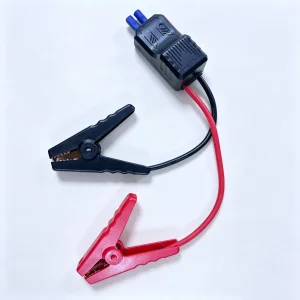 OEM SPKSTAR EC5 Smart Jump Starter Cable Replacement Alligator Clamps Manufacturer, Pricelist
-
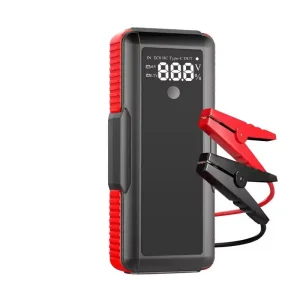 Low Price SPKSTAR Ultra Safe 1000A Supercapacitor Emergency Car Jump Starter Supplier, Suppliers
-
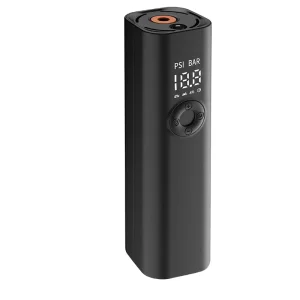 ODM SPKSTAR Super Mini Inflator Car Air Compressor Portable Auto Tire Pump Distributor, In Sales
-
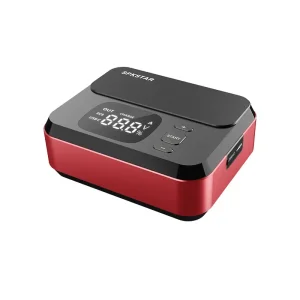 Wholesale SPKSTAR 12V 1500A Supercapacitor Car Battery Charger Jump Starter Vendor, Quotation
-
 Easy-maintainable SPKSTAR 12/24V 3000A Heavy Duty Super Capacitor Car Truck Jump Starter Product, Price
-
Commercial Fleet Diagnostic Tool 12V/24V Car Battery Tester for Kuwait Shuwaikh Garages
Frequently Asked Questions: Sourcing Battery Testers in Kuwait
Comprehensive engineering and commercial answers to the most common queries raised by Kuwaiti B2B buyers and workshop proprietors.
Why are conductance battery testers superior to traditional carbon pile load testers in Kuwait?
In contrast, SPKSTAR digital conductance battery testers inject a passive, low-frequency AC signal to determine internal plate conductance without drawing continuous high current. This eliminates thermal stress, provides 100% test repeatability, and delivers pinpoint accuracy on battery State of Health (SOH) and State of Charge (SOC) within 3 seconds.
How can Kuwaiti automotive parts vendors procure "cheap" testers without sacrificing quality?
What certifications are required to import car battery testers into Kuwait?
Can SPKSTAR battery testers diagnose both 12V passenger cars and 24V heavy commercial trucks?
What battery standards and types are supported by SPKSTAR diagnostic instruments?
Does extreme summer heat in Kuwait affect the tester's internal electronics?
What is the typical Minimum Order Quantity (MOQ) and production lead time for Kuwait?
Request Factory Direct Pricing for Kuwait Wholesale Consignments
Connect directly with our Bao'an, Shenzhen engineering and export division to secure container-volume discounts, OEM catalog customization, and Kuwait-compliant shipping solutions.