
Featured Industrial Automotive Accessories & Starting Gear
Direct factory manufacturing customized for Uzbekistan's logistics operators, fleet wholesalers, and automotive assembly hubs across Tashkent, Samarkand, and the Fergana Valley.
Uzbekistan's Automotive & Industrial Landscape: An Infrastructure in Transition
Analyzing the rapid automotive manufacturing expansion, cross-border Silk Road logistics growth, and climatic challenges shaping equipment reliability across Central Asia.
The Central Asian Manufacturing Powerhouse
Uzbekistan has emerged as the definitive industrial anchor of Central Asia. Driven by the national modernization initiatives of the "Uzbekistan 2030" strategy, the country’s domestic vehicle manufacturing ecosystem—anchored by UzAuto Motors in Asaka, the burgeoning industrial zones in Jizzakh, and new joint ventures with international OEMs such as BYD and commercial vehicle producers like SamAuto and JV MAN Auto-Uzbekistan—has expanded vehicle production past 400,000 units annually. This explosive vehicle fleet expansion has introduced unprecedented operational demands across the automotive aftermarket, Tier-1 support supply chains, and roadside maintenance infrastructure.
As modern electronic fuel-injected platforms, hybridized powertrains, and compressed natural gas (CNG/methane) converted fleets dominate the highways from Tashkent to Nukus, traditional lead-acid batteries face rapid cycling degradation. The unique combination of heavily loaded commercial logistics corridors and severe thermal variations creates an acute necessity for ruggedized auxiliary power electronics, electrostatic supercapacitor jump starters, precision diagnostic testers, and heavy-gauge silicone clamp assemblies.
Thermal Extremes & The Physical Limitations of Lithium Chemistries
Uzbekistan features an intensely continental climate. During winter months, temperatures in the desert regions of the Kyzylkum, the Ustyurt Plateau, and the Karakalpakstan territory routinely plummet below -25°C to -35°C. Conversely, peak summer heat across the Fergana basin, Bukhara, and Navoi regularly climbs past +48°C, causing in-cabin vehicular temperatures to exceed +70°C.
Under these harsh thermal boundaries, conventional lithium-ion (LiCoO2, NCM) jump starters and portable power packs suffer severe degradation. At sub-zero temperatures, the internal chemical resistance of lithium electrolytes rises precipitously, causing severe voltage sag and an inability to deliver the instantaneous cranking current (hundreds of amperes) needed to overcome viscous engine lubricants. Furthermore, storing lithium booster packs inside service vehicles during searing Uzbek summers presents critical thermal runaway and fire hazards. This climatic mismatch has ignited an accelerating industry transition toward battery-free electrostatic supercapacitors (EDLC) and aerospace-grade insulated accessories designed to operate seamlessly between -40°C and +70°C without risk of chemical breakdown or explosive failure.
CNG High-Current Ignition Demands
Over 65% of commercial and passenger transport in Uzbekistan runs on compressed natural gas (methane). Methane combustion requires significantly higher ignition spark energy and engine starter turnover speeds, causing standard starter batteries to discharge rapidly during winter mornings.
Silk Road Transcontinental Freight
The International North-South Transport Corridor (INSTC) and China-Kyrgyzstan-Uzbekistan railway routes converge in Tashkent. Heavy freight haulers (Sinotruk, Shacman, KamAZ) demand dual-voltage 12V/24V high-amperage jump units capable of instant recovery without grid access.
Mining & Heavy Metallurgical Belts
In Navoi and Almalyk, massive open-pit gold, copper, and uranium mining facilities require continuous earthmover uptime. Heavy mining equipment utilizes 24V architectures where conventional starting boosters fail due to inadequate continuous bus capacitance.
Global Industry Trends: The Shift Toward Smart Electrostatic Power
How worldwide breakthroughs in ultracapacitor chemistry, GaN-assisted solid-state switching, and digital battery telemetry are redefining emergency automotive accessories.
From Chemical Storage to Electrostatic Double-Layer Physics
The global automotive accessories sector is witnessing a decisive migration away from chemical lithium storage packs in emergency starting gear. Traditional lithium jump boxes rely on slow Faradaic reactions, which experience accelerated capacity loss, cell swelling, and dangerous dendrite growth when subjected to deep discharges and cold ambient storage.
In contrast, Electric Double-Layer Capacitors (EDLCs) store electrical potential physically via electrostatic ion separation on porous carbon electrodes. This eliminates chemical kinetics entirely, yielding extraordinary operational advantages:
- Near-Instant Kinetic Charging: Fully charged in under 180 seconds by scavenging residual voltage (as low as 6V-8V) from a depleted car battery.
- 100,000+ Full Duty Cycles: Outlasting conventional lithium units by a factor of 200, guaranteeing over a decade of continuous commercial workshop deployment.
- Ultra-Low Equivalent Series Resistance (ESR): Enables discharge rates exceeding 3,000A peak current to spin high-displacement diesel and gas engines without thermal stress.
Smart Microcontroller Integration & Solid-State Safety Clamps
The historical vulnerability of traditional booster cables has always been human operator error—specifically catastrophic reverse-polarity short circuits, load surges, and destructive sparking over exposed hydrogen battery venting gases. Modern OEM/ODM accessory manufacturing standards mandate closed-loop intelligent protection boards integrated directly into alligator clamp assemblies.
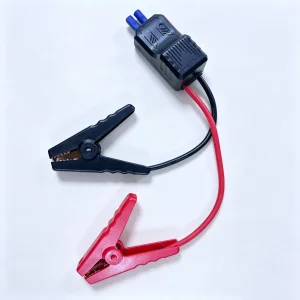
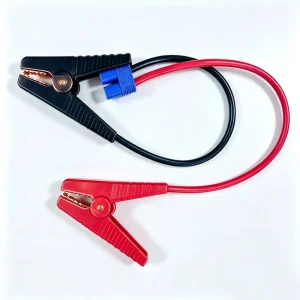
SPKSTAR’s advanced clamp platforms utilize 32-bit automotive-grade MCUs combined with parallel low-RDS(on) MOSFET switching arrays. These circuits deliver active polarity detection within 15 milliseconds, automatic back-feed blocking once the alternator engages, anti-spark soft-charging algorithms, and intelligent voltage-drop compensation over flexible 8AWG pure copper/silicone leads.
Localized Application Scenarios Across Uzbekistan's Key Sectors
Real-world operational engineering: how our accessory and starting hardware resolves mission-critical breakdowns in specific regional industrial scenarios.
Kamchik Mountain Pass Heavy Logistics
Connecting the Fergana Valley with Tashkent, the A373 highway ascends to over 2,200 meters through the Kamchik Pass. Commercial freight trucks facing battery drop due to sub-zero high-altitude winds rely on SPKSTAR 12V/24V 3000A dual-voltage supercapacitor boosters to reignite 13L diesel engines instantly without calling costly high-altitude rescue cranes.
Navoi & Zarafshan Industrial Open Mines
Heavy machinery operating continuously in desert quarry conditions face massive dust intrusion and thermal shifts. Our sealed IP65-rated battery testers and supercapacitor packs eliminate chemical fire hazards around high-pressure natural gas lines and fuel depots in heavy industrial mining complexes.
Tashkent Urban Delivery & Ride-Share Fleets
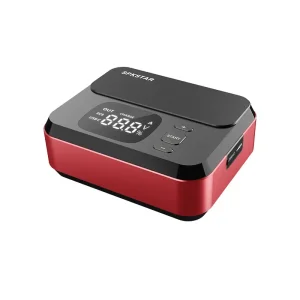
Tashkent's rapidly expanding municipal bus networks and taxi fleets operate on high-cycle duty schedules. Our cordless smart digital air inflators with auto shut-off and ultra-compact 1000A supercapacitor jump units allow rapid roadside tire and battery turnaround in congested capital traffic.
Technology Roadmap: Engineering the Future of Central Asian Automotive Power
A multi-phase engineering trajectory designed to anticipate the hybridization, digitization, and electrification of Uzbekistan's automotive ecosystem.
Hybrid-Ready High-Voltage Jump Assemblies
- Rollout of Graphene-enhanced supercapacitor cells capable of sub-120-second recharge from depleted 6V vehicle systems.
- EC8 connector standardization supporting up to 800A continuous current handling without connector thermal softening.
- Introduction of dual-language Russian/Uzbek high-contrast OLED telemetry displays on all professional diagnostic testers.
Smart Bluetooth Diagnostic Ecosystems
- Integration of Bluetooth 5.3 telemetry into 12V/24V clamps, streaming real-time cranking wave, starter motor draw, and alternator ripple to fleet dispatchers.
- Smart air pumps integrated with multi-axis vibration dampening for high-pressure commercial truck tires (up to 160 PSI).
- Customized firmware configurations accommodating high-impedance AGM, EFB, and LFP starter batteries in modern hybrid models.
High-Capacity Solid-State Auxiliary Platforms
- Hybrid supercapacitor-solid-state secondary power stations designed to support high-voltage EV auxiliary low-voltage wake-up bus lines.
- Solar-coupled charging interfaces optimized for Uzbekistan's 300+ annual sunny days, creating completely self-sustaining remote repair toolkits.
- Automated robotic-grade wire-harness manufacturing ensuring zero micro-defect tolerances for Tier-1 supply integration.
End-to-End OEM/ODM Solutions for Uzbekistan Importers
How our Shenzhen manufacturing facilities provide localized branding, rigorous compliance testing, and seamless overland multimodal logistics to Uzbekistan.
Full OEM/ODM Brand Customization
We empower regional distributors and automotive retail brands across Central Asia with turnkey private labeling. From custom mold tooling for ruggedized rubberized housings to dual-language packaging in Russian and Uzbek (Cyrillic & Latin scripts), our engineering department executes full DFM (Design for Manufacturability) to align with local market retail positioning and warranty expectations.
Direct Overland Silk Road Logistics
Leveraging direct rail cargo connections from Shenzhen and Guangzhou via the Khorgos and Dostyk land ports straight to Tashkent dry ports (Chukursay, Sergeli), we provide reliable 14-to-18-day transit times. Supercapacitor-based starting systems, being battery-free, are free from hazardous lithium Class 9 dangerous goods freight restrictions, cutting insurance surcharges and freight customs inspection delays by up to 40%.
Frequently Asked Questions for Uzbekistan Importers & Fleet Buyers
Clear, expert technical and commercial answers addressing common engineering concerns, logistics corridors, and compliance standards.
Why are supercapacitor jump starters superior to lithium battery boosters in Uzbekistan's climate?
Can an ultracapacitor jump starter restart a vehicle whose battery has dropped to 0V or is disconnected?
How do these accessories interface with compressed natural gas (CNG / Methane) modified vehicles?
What are the HS codes and customs compliance classifications for shipping to Uzbekistan?
What is the typical lead time and Minimum Order Quantity (MOQ) for custom private label orders?
What warranty and after-sales failure replacement policies apply to Uzbekistan distributors?
Full Automotive Emergency & Diagnostic Product Line
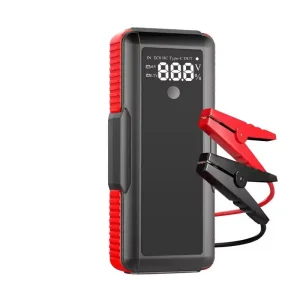
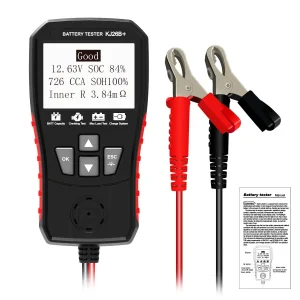
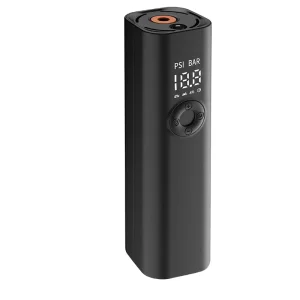
Explore our complete export selection: heavy-duty commercial truck jump starters, smart inflator compressors, digital diagnostic testers, and premium replacement cables.


Connect Directly with Our Power Engineering Team
Whether you are outfitting a municipal transport fleet in Tashkent, supplying automotive spare-parts distribution networks across Samarkand and Bukhara, or launching a localized private-label brand, SPKSTAR provides verified direct-from-factory pricing and technical documentation.